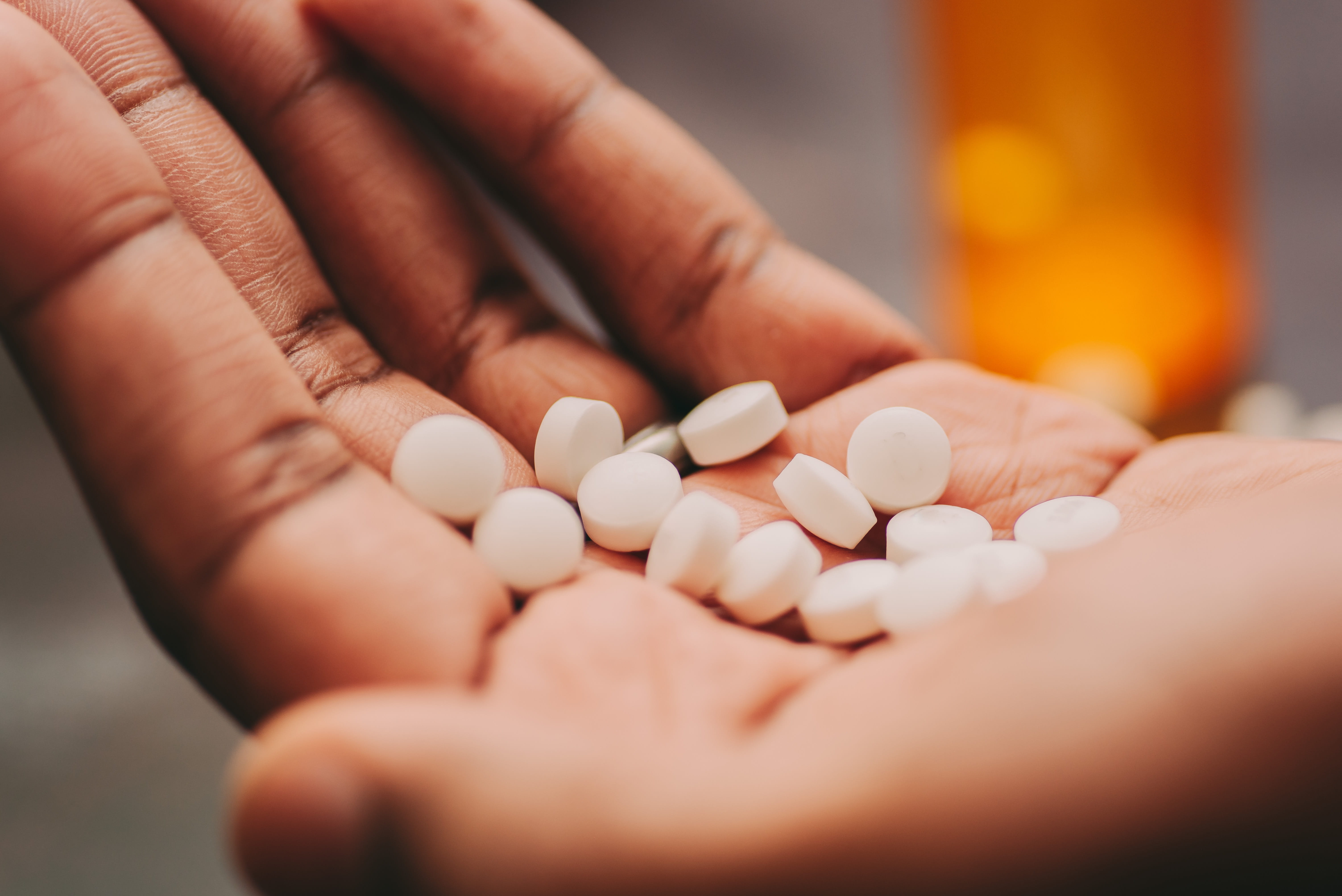
Buy Painkillers France's History History Of Buy Painkillers France
A Complete Guide to Buying Painkillers in France
France boasts one of the most well-organized healthcare systems in Europe, and accessing pain management medication is simple when you comprehend the correct channels. Whether you are a resident browsing the French pharmacy system or a visitor seeking relief from a headache or more extreme pain, this detailed guide will stroll you through everything you require to understand about buying pain relievers in France.
Understanding the French Pharmacy System
The French pharmaceutical system differentiates itself through its network of independent drug stores, each staffed by trained pharmacists who play a vital role in healthcare delivery. Unlike some countries where medications can be purchased easily in supermarkets, France maintains a stringent separation between drug stores and general retail establishments. medicfrance means that all pain relievers, whether they need a prescription or not, must be gotten from a certified drug store.
French pharmacists are extremely trained health care specialists authorized to give medication and offer professional advice. They can recommend suitable over the counter treatments for minor conditions and might in some cases suggest options to prescribed medications if supply problems occur. This system guarantees that consumers receive customized attention and accurate information about their purchases, adding to much safer medication use throughout the population.
Categories of Painkillers Available in France
French drug stores use an extensive series of painkillers categorized into 3 primary categories based upon their strength and the requirements for purchase. Comprehending these categories helps buyers navigate their alternatives efficiently and ensures they get the most suitable medication for their requirements.
Non-prescription Painkillers
These medications are available without a prescription and can be purchased straight from any pharmacy. They are suitable for managing moderate to moderate pain and are generally safe when used according to package instructions. The most typically accessed over the counter alternatives consist of paracetamol-based products, specific non-steroidal anti-inflammatory drugs, and mix headache solutions.
Medication Type
Common Brand Names
Normal Indications
Maximum Daily Dose
Paracetamol
Doliprane, Dafalgan, Efferalgan
Headaches, toothache, fever, moderate muscle pain
4 grams (4000mg)
Ibuprofen
Advil, Nurofen, Spedifen
Inflammation, menstrual pain, oral pain
1200mg (prescription needed for greater dosages)
Aspirin
Aspro, Rhonal
Headaches, fever, pain, antiplatelet results
3 grams
Mix Products
Antarène Codéine, Prontalgine
Moderate pain not reacting to simple analgesics
Varies by product
Pharmacy-Only Medications
Some medications inhabit a middle ground in the French system, needing no official medical professional's prescription but necessitating assessment with a pharmacist before purchase. Codeine-containing mix analgesics fall into this category. The pharmacist will ask concerns about the customer's symptoms, other medications being taken, and any hidden health conditions before giving these products. This requirement exists due to the fact that codeine, while efficient for pain relief, brings threats of reliance and negative interactions.
Prescription-Only Painkillers
More powerful analgesics, including pure codeine preparations, tramadol, morphine derivatives, and specific neuropathic pain medications, need a valid prescription from a physician or dental professional. French prescriptions are generally valid for three to 6 months depending upon the medication type, though pharmacists might exercise discretion relating to giving schedules for regulated compounds. Clients with persistent pain conditions frequently develop ongoing relationships with their prescribers to ensure continuous access to necessary medications.
The Purchasing Process in French Pharmacies
Getting in a French drug store for pain relievers includes an uncomplicated procedure that might vary somewhat from what visitors from other nations expect. Upon arrival, clients continue to the appropriate area, typically organized by symptom or medication type. For over the counter products, self-selection is allowed in most facilities, though personnel members remain readily available to use guidance.
When requesting medication, clients must be prepared to address concerns about their signs, specifically when looking for pharmacy-only or regulated medications. This inquiry represents basic practice created to ensure proper use instead of an invasion. Pharmacists value when consumers supply total info about their condition, other medications being taken, and any allergies or level of sensitivities. For prescription medications, the standard process includes providing the prescription, verifying identity if needed for regulated compounds, and waiting while the pharmacist prepares and inspects the medication.
Payment for medications differs depending on the product's classification and the client's insurance coverage status. France's nationwide medical insurance system usually repays a part of prescription medication costs, with the exact percentage depending on the medication's healing worth classification. Visitors from European Union nations utilizing a valid European Health Insurance Card receive the exact same repayment rates as French nationals for prescription medications, while those from outside the EU typically pay full rate.
Unique Considerations for Visitors and Tourists
Tourists visiting France find the drug store system accessible and helpful, though certain preparations and understandings enhance the experience. Bring a list of current medications proves valuable, particularly for visitors taking regular prescription medications, as pharmacists can inspect for possible interactions with brand-new purchases. Language barriers sometimes present obstacles, however lots of pharmacists in traveler areas speak English, and medical workers usually comprehend typical pharmaceutical terms.
Visitors experiencing sharp pain must keep in mind that French drug stores close on Sundays and public vacations, though an on-duty pharmacy system makes sure emergency situation gain access to. Each commune preserves information about the nearest open drug store, normally published on drug store doors and offered through regional medical services. For severe or persistent pain, checking out a médecin de garde (on-call physician) or health center emergency department provides proper evaluation and prescription gain access to when needed.
Travelers bringing pain relievers from their home country need to confirm that their medications are allowed in France. Most typical painkillers present no concerns, however particular controlled substances require documents. Bring a copy of the prescription or a letter from the prescribing doctor describing the medical need avoids potential issues at border crossings or throughout pharmacy purchases.
Safety Guidelines and Best Practices
Accountable painkiller use needs attention to several essential principles that French health care professionals stress consistently. Clients need to never go beyond recommended dosages, integrating medications without professional guidance, or use pain relievers for extended periods without medical guidance. Paracetamol, while safe at proper doses, causes serious liver damage in overdose situations, making adherence to dosing directions especially important.
People with certain health conditions need to work out extra caution or consult doctor before using pain relievers. Those with liver or kidney disease, stomach ulcers, bleeding disorders, or certain cardiovascular conditions need specific guidance. Similarly, pregnant or breastfeeding women ought to consult before using any analgesic, as some medications pose dangers to developing fetuses or nursing babies.
Integrating alcohol with painkillers develops unsafe interactions that pharmacists actively counsel against. The sedation impacts of opioid medications magnify drastically when integrated with alcohol, while NSAIDs increase bleeding threats along with alcohol usage. Clients receiving pain management must always ask about alcohol interactions when discussing their medications with pharmacists or prescribers.
Often Asked Questions About Buying Painkillers in France
What are the opening hours for French drug stores?
French drug stores typically run Monday through Saturday from 8:30 AM to 7:30 PM, though exact hours differ by area. Sunday opening is uncommon, however an on-duty rotation guarantees pharmaceutical access every day. The addresses of responsibility drug stores are displayed in pharmacy windows, released in local newspapers, and available through municipal sites. Large shopping centres may have pharmacies with prolonged hours, and some city areas provide 24-hour service on a rotating basis.
Do I need a prescription for codeine in France?
Codeine-containing medications in France require a prescription when in pure form or at greater strengths. However, certain mix products containing codeine with paracetamol or aspirin are offered without prescription after assessment with a pharmacist. The pharmacist assesses the customer's requirements and determines whether the medication is proper. For constant codeine usage, a doctor's prescription offers more straightforward and often more affordable gain access to through compensation options.
Can I get antibiotics or strong painkillers at a French drug store without a prescription?
France preserves rigorous controls on prescription antibiotics, needing prescriptions for all antibacterial medications. This policy exists to combat antibiotic resistance and ensure suitable use. Strong pain relievers classified as opioids or related controlled substances absolutely need prescriptions. Attempting to get these medications without appropriate authorization will not be successful in French pharmacies, which preserve strenuous compliance with pharmaceutical guidelines.
What payment choices are readily available in French drug stores?
A lot of French drug stores accept major charge card, though some smaller facilities prefer现金 (cash) or French debit cards. European Health Insurance Cards work forEU visitors seeking prescription compensation. Visitors from outside the EU need to expect to pay complete cost for all medications and must carry adequate funds or accepted payment methods. Some pharmacists might ask for passport recognition when processing charge card purchases.
Are pharmacist consultations free in France?
Assessment with pharmacists concerning medication selection and use is usually totally free of charge as part of the pharmacy service. Pharmacists offer this assistance as part of their expert function, whether clients eventually make purchases or merely inquire. This availability makes pharmacies valuable healthcare resources for small ailments and medication questions, lowering unneeded medical professional visits for uncomplicated health concerns.
Navigating the French painkiller market proves workable when armed with appropriate understanding. The system's combination of accessible over-the-counter options, responsible pharmacist assistance, and regulated access to more powerful medications balances public security with private healthcare requirements. Locals quickly adjust to the pharmacy-centered method, while visitors find willing assistance when they approach pharmacists for guidance. By respecting the policies and engaging constructively with pharmacy staff, anybody can obtain appropriate pain relief while taking a trip through or residing in France. The French pharmaceutical system, with its emphasis on expert guidance and client security, eventually serves the objective of reliable pain management within a framework of responsible healthcare shipment.